· 2 min read
Updated
Heated CPAP Tubing vs Standard Tubing: What to Know
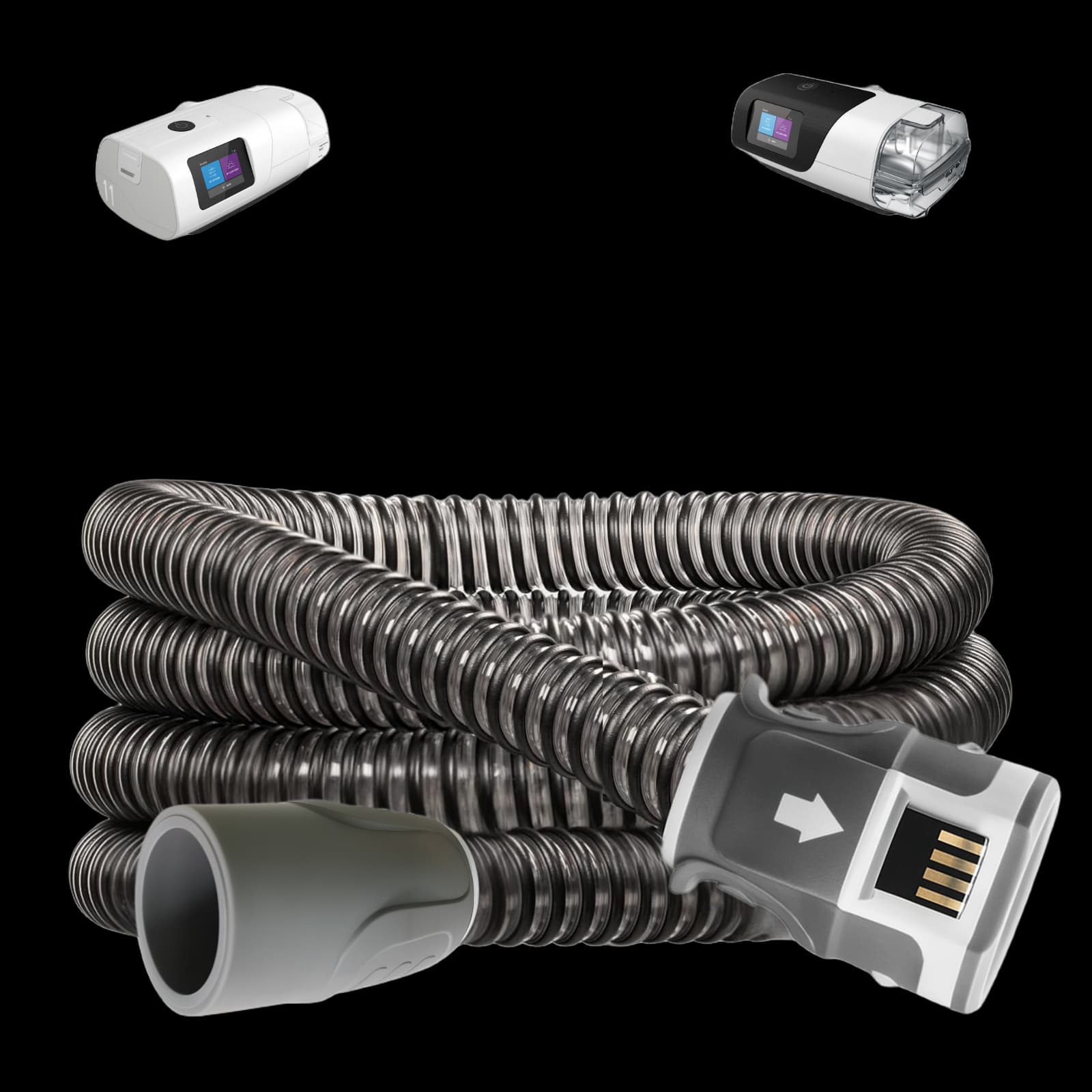
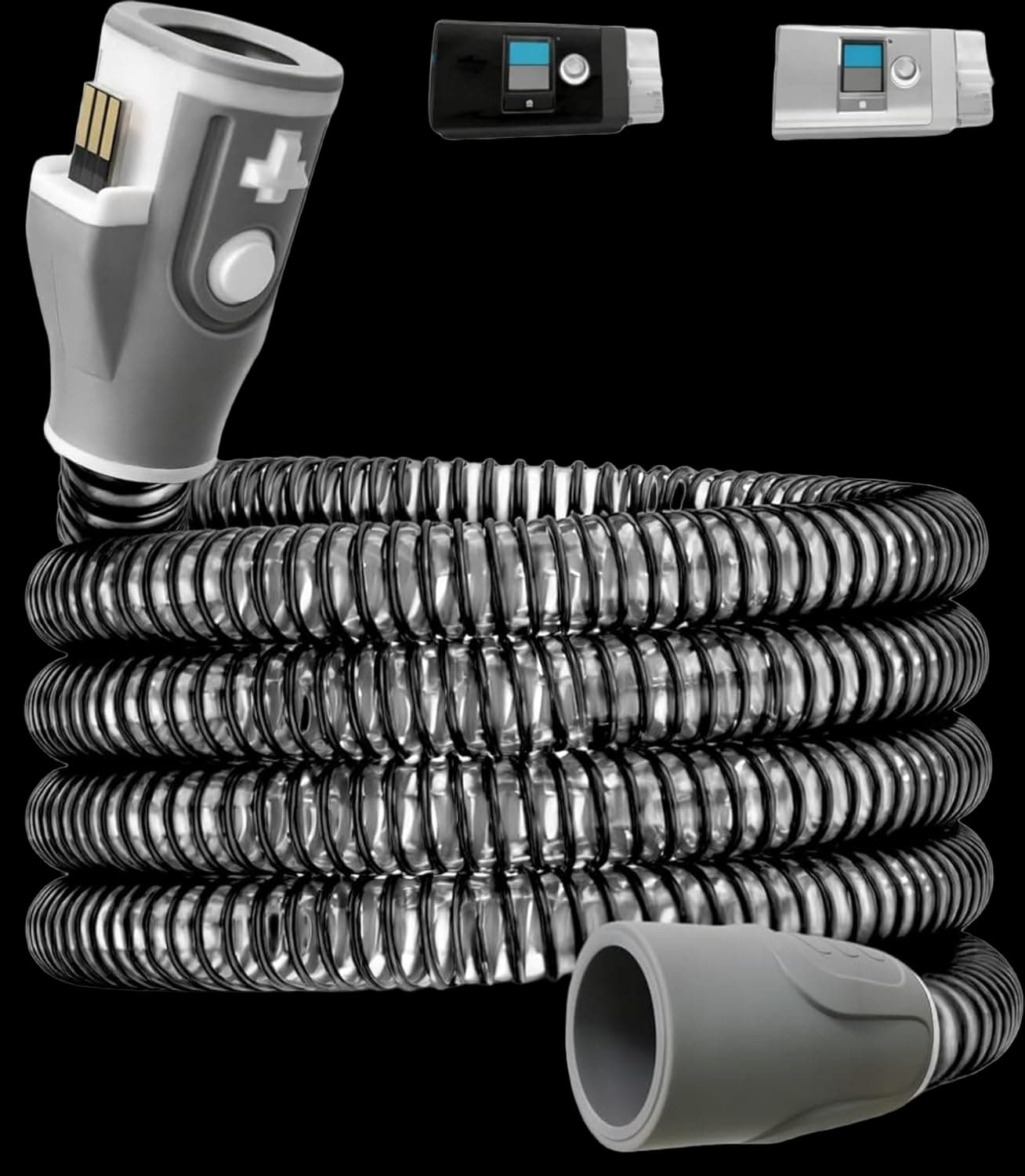
Heated tubing can help manage condensation; standard tubing has no heating element. Compare the connections and care instructions before choosing a hose.
When you're shopping for replacement CPAP tubing, you'll quickly notice two main types: heated tubes and standard (non-heated) tubes. The difference is more than just price — it affects comfort, humidification, and whether you experience rainout.
What Is Rainout?
Rainout is what CPAP users call the condensation that collects inside the tube when warm, humidified air meets the cooler plastic of the hose. It creates a gurgling sound and occasionally sends a cold shot of water through the mask and into your nose. It's unpleasant enough to wake most people up.
How Heated Tubing Helps
A compatible heated tube helps keep humidified air warm as it travels toward the mask. This can reduce condensation, but it does not guarantee that water will never collect. Use the climate-control instructions for your machine and ask your equipment provider for help if rainout continues.
Standard Tubing: When It Works
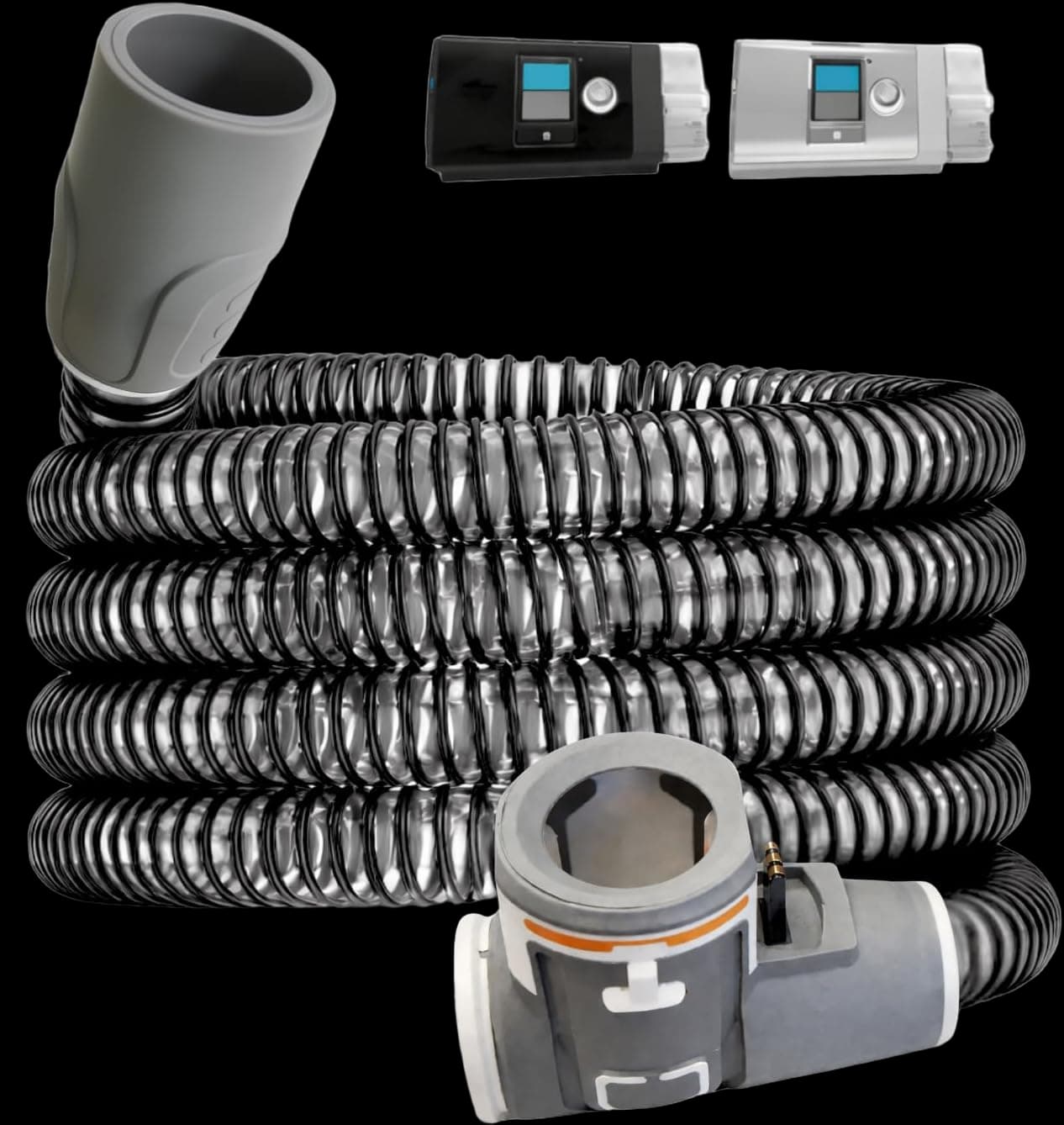
Standard tubing has no heating element. Check the approved connections and tubing settings in your machine's user guide; a standard 22mm connector describes the connection, not every hose's internal diameter. The right choice depends on your device and comfort needs, rather than sleep position alone.
Which Should You Choose?
Start with the approved compatibility list for your machine. S10 heated tubing fits the listed AirSense 10 and AirCurve 10 models; S11 heated tubing fits the listed AirSense 11 and AirCurve 11 models. They cannot be swapped and neither fits Luna G3. Ask your provider whether heated or standard tubing suits your equipment and comfort needs.
This article is for general information only and isn't medical advice. Always follow your sleep physician's guidance for your CPAP therapy, pressure settings, and prescriptions.