· 2 min read
Updated
When Should You Replace Your CPAP Water Chamber?
Your CPAP water chamber works hard every night. Here's how to know when it's time to replace it — and why regular replacement matters for your health.
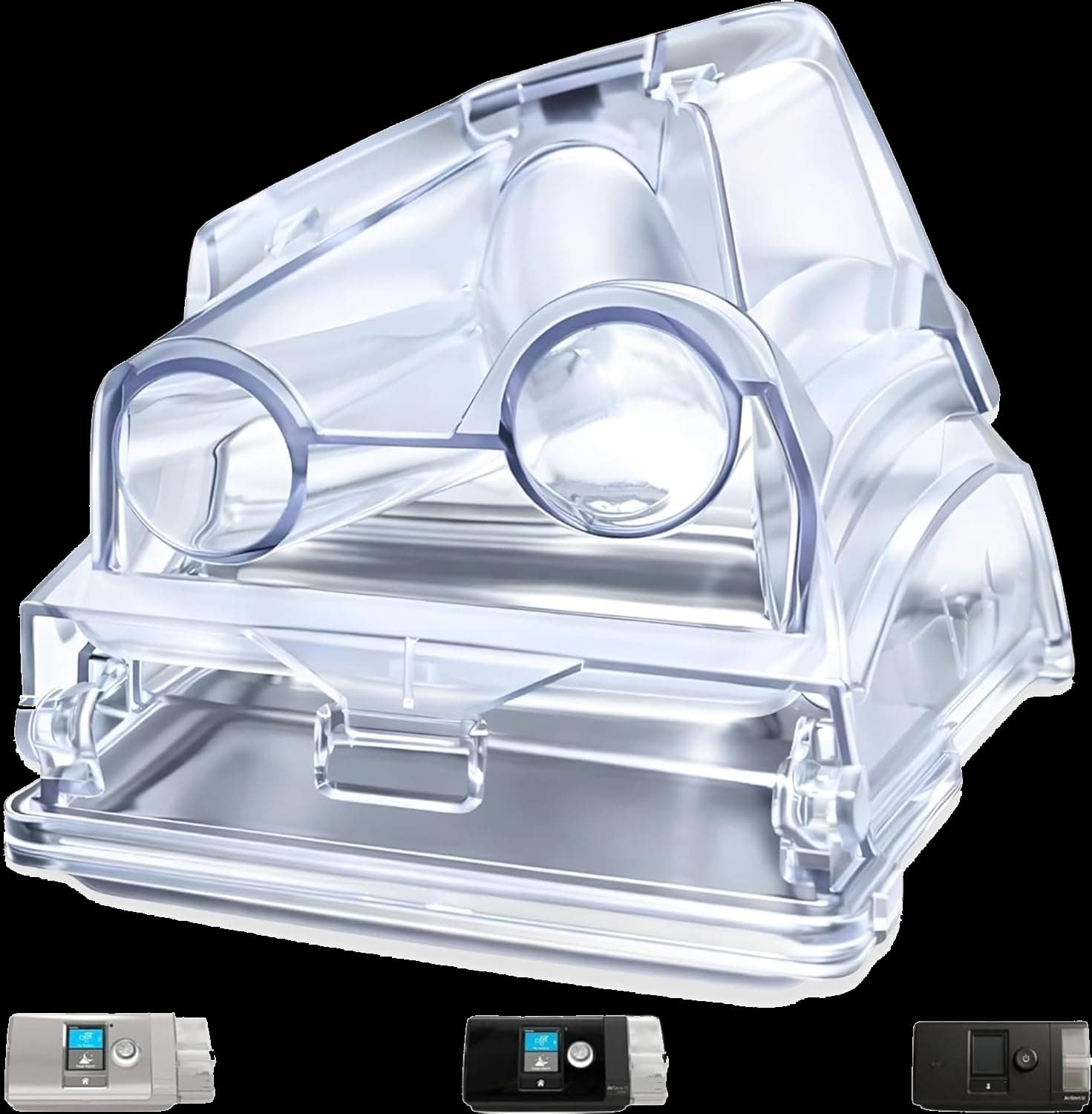
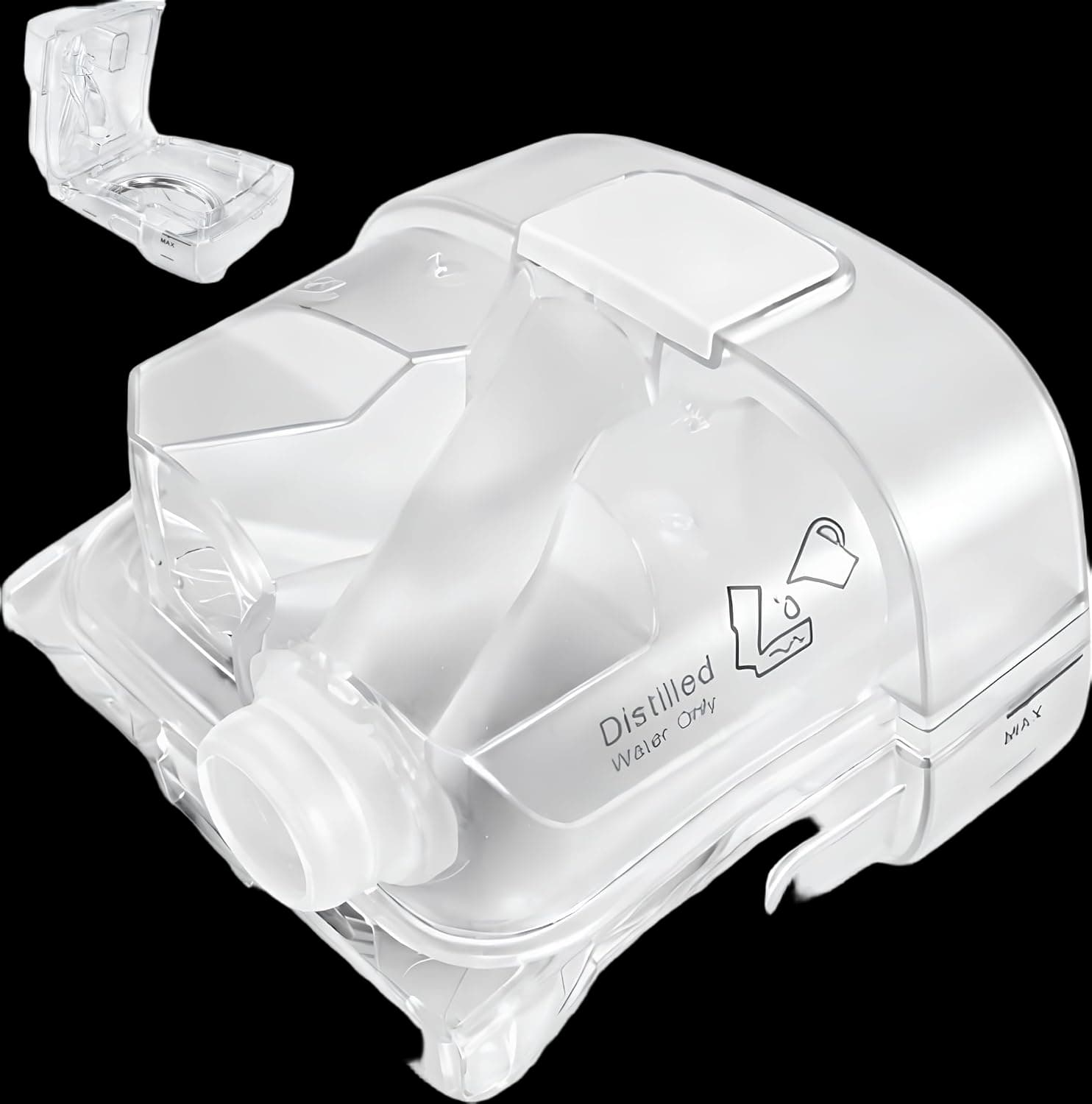
Your humidifier chamber needs care as well as refilling. Inspect it while you empty and clean it, paying attention to cracks, worn seals, and residue. Follow the chamber's own instructions: materials, cleaning methods, and replacement advice can differ between models.
Recommended Replacement Schedule
Ask your equipment provider about a replacement schedule for your specific chamber. Regular cleaning and the recommended water type are part of routine care, but they do not guarantee a particular service life. Replace damaged equipment as directed by the manufacturer or provider rather than waiting for a calendar reminder.
Warning Signs to Replace Now
Cracks, leaking water, or a lid or seal that no longer fits need attention. If residue, odor, or cloudiness persists after the approved cleaning process, ask your equipment provider whether the chamber should be replaced. Cloudiness alone does not identify the cause or prove that the plastic has been etched.
Why Distilled Water Matters
Use the water type specified by your machine's user guide. ResMed's care guidance recommends distilled water for its humidifier tubs. Tap water can leave mineral deposits, but distilled water does not replace routine cleaning or inspection.
Daily Cleaning Habits That Help
ResMed's general guidance describes emptying and drying its humidifier tub daily and cleaning it weekly. Your chamber's user guide determines the cleaning solution, water temperature, and whether dishwasher cleaning is allowed. Rinse and dry it as directed before use; do not apply a generic vinegar recipe to every chamber.
Manufacturer resources
Check the guidance for your specific equipment before changing its care routine. Different materials and models can require different cleaning methods.
This article is for general information only and isn't medical advice. Always follow your sleep physician's guidance for your CPAP therapy, pressure settings, and prescriptions.