· 2 min read
Updated
When Should You Replace Your CPAP Tubing?
Check your CPAP hose for damage, worn connections, and persistent residue. Learn when to ask about replacement and how to choose a compatible tube.
A CPAP hose deserves a regular check along with your mask and water chamber. Look at the tube and its connectors during cleaning, and ask your equipment provider about damage or a connection that no longer seals. Replacement timing depends on the tube's condition and the guidance for your equipment.
The Recommended Replacement Schedule
Use the replacement advice supplied with your tube and the schedule recommended by your equipment provider. A reimbursement allowance is not a guarantee that a hose remains usable until that date. Inspect it regularly and ask for help sooner if it becomes damaged or no longer connects securely.
Signs You Need to Replace Sooner
Check for cracks, tears, damaged connectors, or a seal that has become loose. Persistent odor or residue after cleaning also deserves attention from your equipment provider. Water in a hose can be condensation; it does not by itself prove that the tube needs replacement.
Choose the Correct Replacement
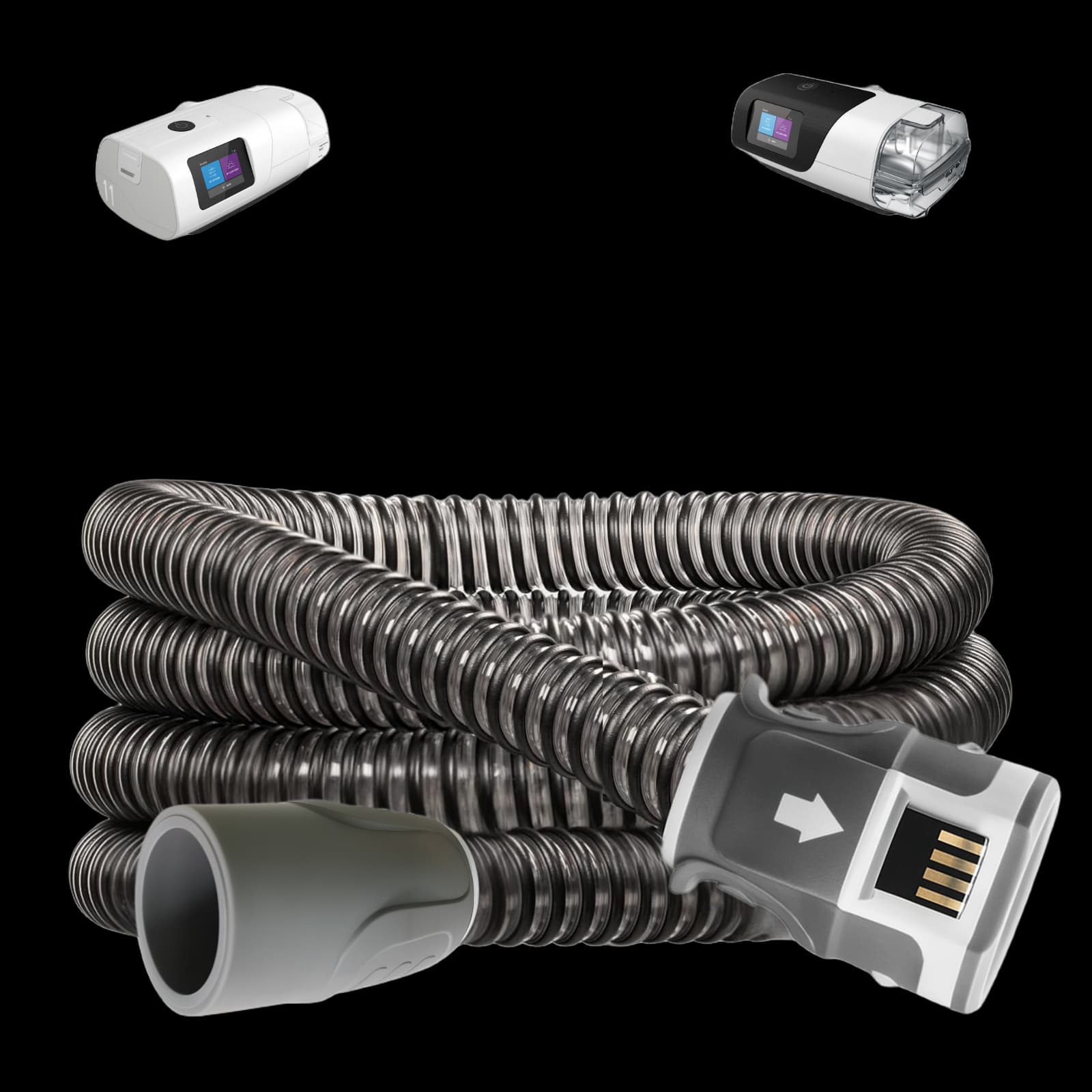
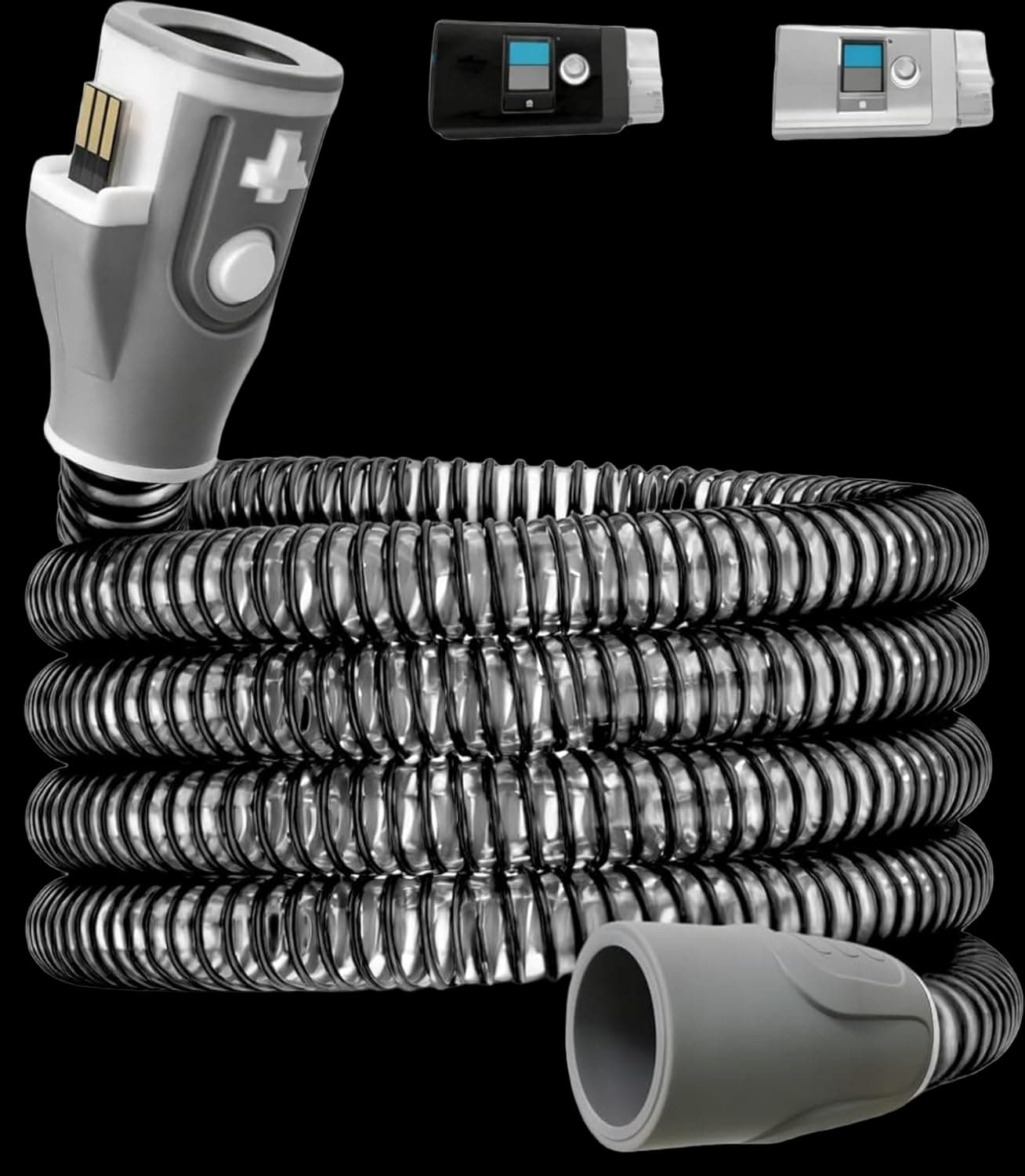
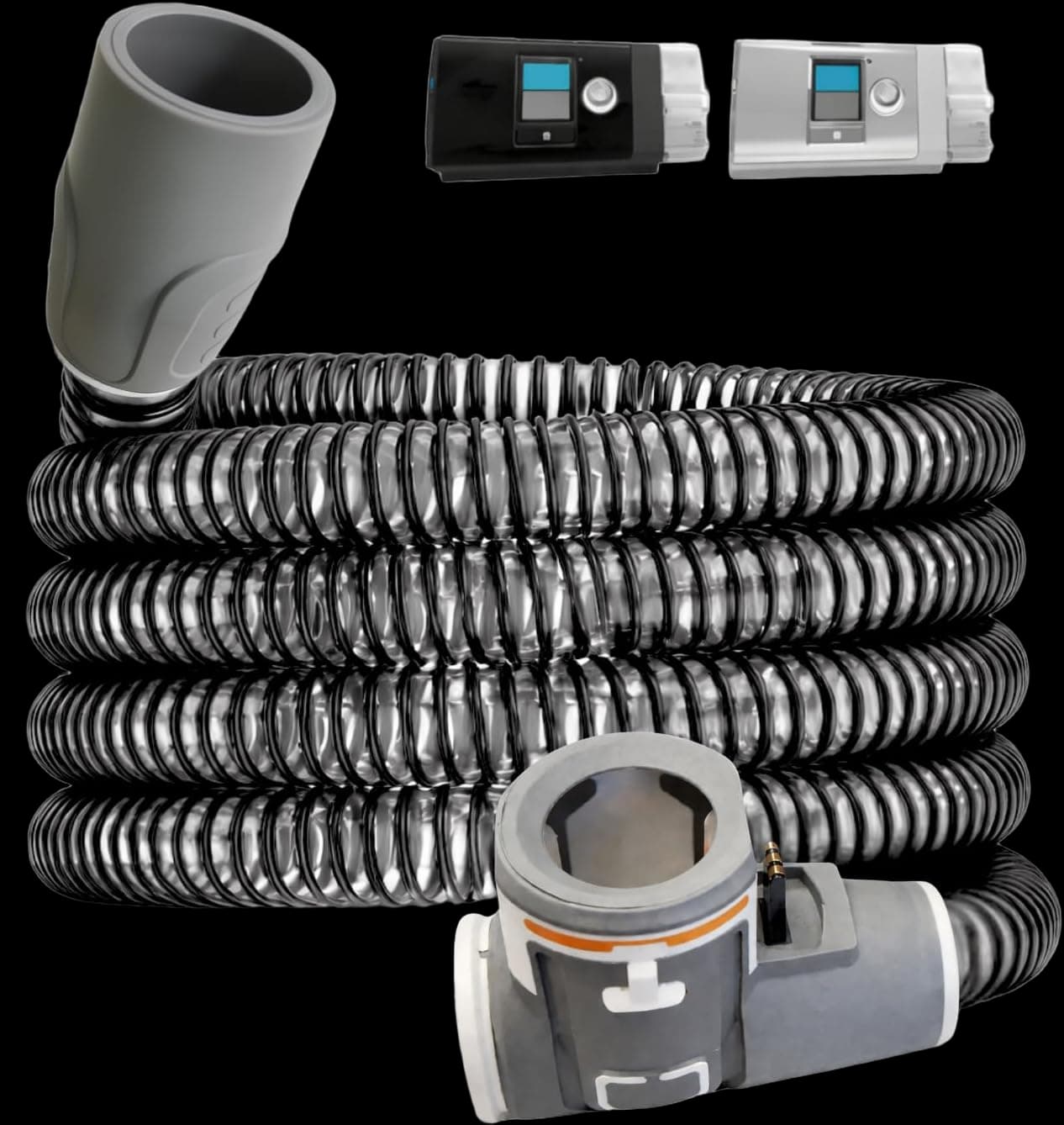
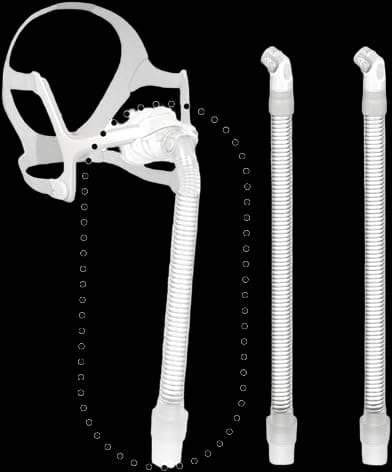
Match heated tubing to the approved machine series. S10 and S11 heated tubes are not interchangeable, and neither fits the Luna G3. Check the product page rather than choosing by appearance. A mask's short connector tube is a separate part and must match the specific mask model.
Cleaning Extends Tube Life
ResMed's general care guidance describes weekly washing of air tubing, thorough rinsing, and air drying away from direct sunlight. Follow the user guide for your actual hose, including instructions for heated connectors. Cleaning does not repair cracks or restore a damaged connection.
Manufacturer resources
Check the guidance for your specific equipment before changing its care routine. Different materials and models can require different cleaning methods.
This article is for general information only and isn't medical advice. Always follow your sleep physician's guidance for your CPAP therapy, pressure settings, and prescriptions.