· 2 min read
Updated
How to Prevent Water in Your CPAP Hose
Waking up to gurgling water in your CPAP tube is one of the most common therapy complaints. Here are the most effective ways to stop it.
If you've woken up to the sound of water gurgling in your CPAP tube — or felt a cold splash inside your mask — you've experienced rainout. It's one of the most common complaints among CPAP users and one of the most fixable.
Check Your Device's Climate Instructions
Read the humidity and climate-control instructions for your exact machine. Ask your equipment provider how to manage condensation without making prescribed pressure or therapy changes. A setting that works for one device or room may not suit another, so avoid following a generic numbered adjustment.
Switch to a Heated Tube
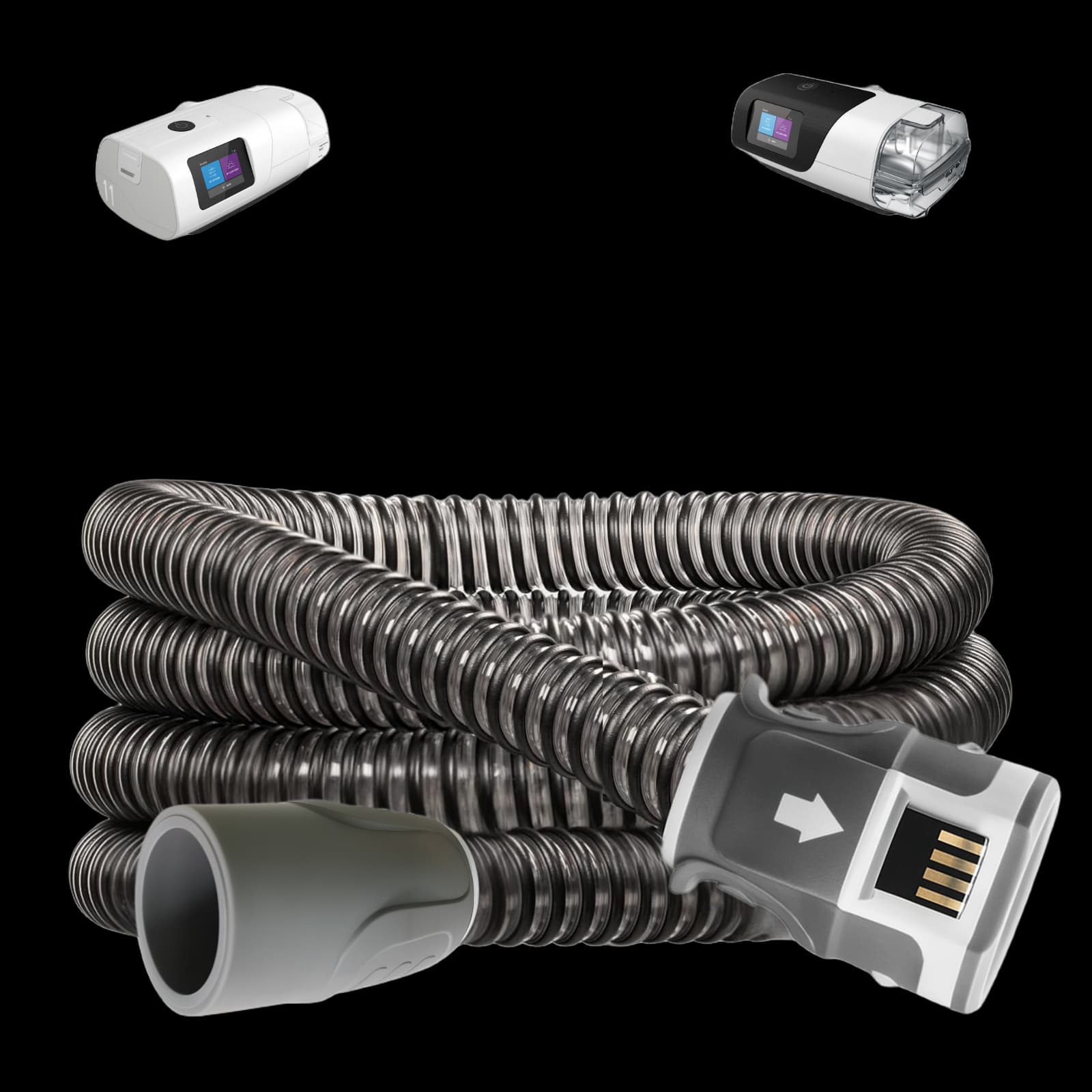
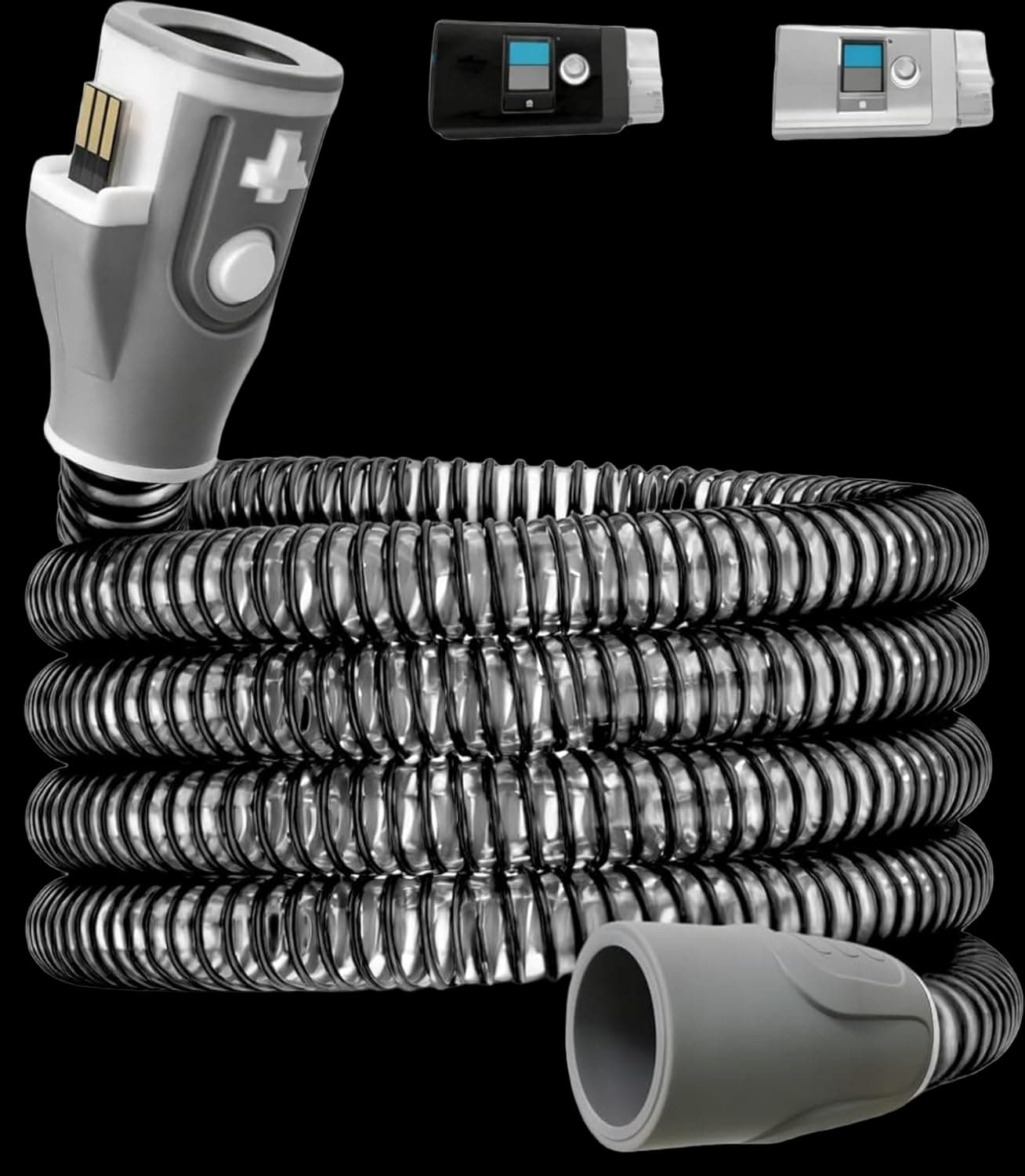
A compatible heated tube can help reduce condensation by keeping humidified air warm. Match it to the approved machine series: S10 and S11 heated tubes are not interchangeable. Heated tubing can help, but persistent water still deserves a check of the setup with your equipment provider.
Check the Tube and Machine Placement
Use the placement instructions supplied with your machine and keep the tubing free of kinks and obstructions. Ask your provider to review the setup if water collects near your mask. Do not assume that routing a hose over a pillow will send condensation safely back to the machine.
Keep Your Bedroom Warmer
A cold room or a direct draft can cool the hose and contribute to condensation. Tell your equipment provider about your room conditions when troubleshooting. Follow the machine's guidance for ventilation and placement, and avoid covering the machine or its air inlet.
Replace Old Tubing
Inspect the hose for damage or loose connectors and follow the replacement advice for your equipment. Condensation alone does not prove that the tube is worn out. If rainout persists with intact tubing, ask your provider to check the setup rather than repeatedly replacing parts.
This article is for general information only and isn't medical advice. Always follow your sleep physician's guidance for your CPAP therapy, pressure settings, and prescriptions.